

Founder I Sales Director
Buying a house in Dubai for expats is quite a hot topic. There are lots of queries, concerns and ambiguities regarding the subject. This also includes one of the most common queries: can expats buy property in Dubai?
We understand how puzzling these questions can be especially if you are an expat looking to buy a house in Dubai. Let’s resolve the problems then.
Can an Expat Buy a House in Dubai?
Well, the most straightforward answer to this question is a big YES! Foreigners including expatriates can buy property in Dubai, be it houses, commercial properties, mansions or villas in Dubai. We have discussed this topic before too, so feel free to read ‘can foreigners buy property in dubai’ to find out more on this topic. For now, let’s revert to how expats can buy a house in Dubai.
The Dubai Govermenment passed regulations in 2002 that permitted freehold property ownership in Dubai for all kinds of foreigners. This initiation was quite a turning point in the Dubai real estate market. Ever since, Dubai has turned into a huge investment hub globally.
Any foreign national, be it a non-resident investor or an expat resident, is free to purchase property in the city, but on a freehold basis. This basically means they can buy property in Dubai for personal use, or investment purpose only in the freehold regions in Dubai, as designated by the government.
Understanding Freehold Property Ownership
Freehold property ownership in Dubai refers to a kind of ownership wherein the owner of a property has full ownership of the property. So if an expat is buying a house in Dubai, he/ she has ownership of that house as well as the land that the house is built on.
The Dubai Land Department (DLD) will register the property buyer’s name as ‘landowner’ in the property registry. The landowner will also get a title deed for that respective property. Now the owner has free will to resell.
Another important thing to note is that expats who have freehold ownership of a certain property can enjoy their rights over that property without leasehold rights, usufruct rights or restriction for 99 years.
Moreover, there are different kinds of property buying systems in Dubai for expats.
Ownership
If you are an expat buying a property or house in Dubai through this system, you will have complete authority over it for 99 years. During this time, you can modify the property, make changes to it, or even dispose it completely.
Musataha
This system allows you, an expat, to have the right to the respective property for upto 50 years. You are free to make alterations to it within the specific period only. Your contract can undergo a renewal if you and the seller agree.
Usufruct
Certain properties in Dubai are usufruct properties. Usufruct refers to the right to use as well as benefit from a property without having ownership to it. If you are buying a usufruct property in Dubai, you can use the property for 99 years, but won’t be allowed to make changes to it.
Long-Term Lease

As per the long-term lease method, you can buy and use a property for 25 years.
Now that you have better clarity on the legalities pertaining to buying a house in Dubai for expats, let us move on to the freehold areas in the city where you can buy a property.
Freehold Areas in Dubai
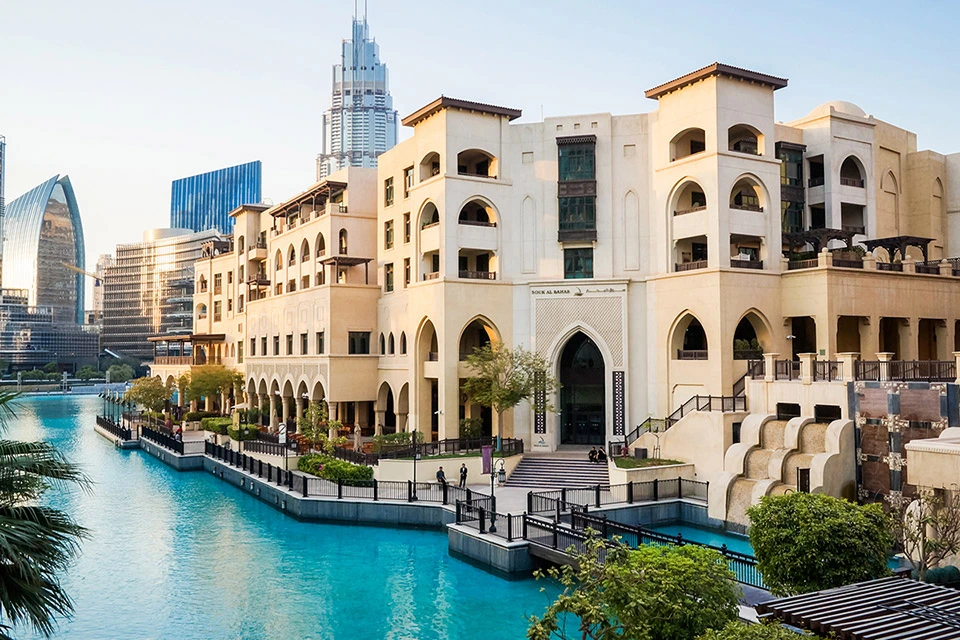
- Al Barari
- Al Furjan
- Al Thanyah First
- Arabian Ranches 1
- Arabian Ranches 2
- Arjaan
- Al Waha Project
- Badrah Project
- Barsha Heights (Tecom)
- Business Bay
- Burj Khalifa Tower
- City Walk
- Damac Hills
- D1 Tower
- DIFC-LIMESTONE HOUSE
- DIFC-LIBERTY HOUSE
- DIFC-Sky Gardens
- DIFC-INDEX TOWER
- DIFC-Park Tower
- Discovery Gardens
- DownTown
- Dubai Festival City - Badia Phase 1 & 2
- Dubai Festival City - Badia Phase 3
- Dubai Festival City - Hillside
- Dubai Festival City - Marsa
- Dubai Culture Village
- Dubai Residence Complex - Dubai Land
- Dubai Investment Park
- Dubai Outsource Zone
- Dubai Marina
- Dubai Silicon Oasis
- Dubai Sports City
- Dubai Studio City
- Emirates Hills
- Ewan Project - DIP
- Falcon City
- Green Community Motor City
- Green Community DIP
- Greens
- Ibn Battuta Gate
- International City CBD
- IInternational City
- IMPZ (Int. Media Produc. Zone)
- IMPZ (Int. Media Produc. Zone)
- JBR (Jumeirah Beach Residence)
- Jebel Ali Village
- JLT (Jumeirah Lake Towers)
- Jumeirah Heights
- Jumeirah Islands
- Jumeirah Golf Estate
- Jumeirah Park
- Jumeirah Village
- Jumeirah Village ( Circle )
- Jumeirah Village ( Triangle )
- Layan Community
- Legends
- Masakin Al Furjan
- Meadows
- Mudon Project
- Old Town
- Palazzo Versace
- Palm Jumeirah
- Project ( Dubai Sustainable City )
- Project ( Mira )
- Queue Point ( Dubai Land )
- Ritaj Project - DIP
- Remraam
- Sky Court Tower – Dubai land
- Springs
- Springs
- The Lakes
- The Polo Residence (Meydan)
- The Villa (Dubai Land)
- The Views
- Town Square
- Up Town Motor City
- Veneto Project
- Warsan Fourth
- Wadi Al Safa 3
- Warsan Village
The shrewd move to approach the entire ‘property buying’ subject in Dubai especially if you are an expatriate is to have a real estate agent on board. You can easily find one with Elan, and discuss the different freehold property areas in Dubai with him.
Moving on, you may also be thinking about the eligibility criteria for an expat to buy a house in Dubai.
Eligibility Criteria for Buying a House in Dubai for Expats
When it comes to buying a house in Dubai for expats, there is no particular limit really. Yes, the eligibility criteria does demand for the expat to have a valid passport.
As for a foreign investor, or an expat investor, you will need to have a valid passport. You will also have to work either directly with the property’s developer, or a registered real estate agency in the city to find suitable properties, and complete all the legal work and formalities.
Moreover, you will need to provide a proof of your residency status in Dubai. If you are eligible to reside in the city under any kind of permit or visa, you are eligible to buy property in Dubai too.
You will also have to provide the proof of your current residential address along with the bank statement as evidence to justify your ability to purchase the respective property. In addition, you will need to have a certificate or salary statement to support your existing income statement.
The Process of Buying a House in Dubai for Expats
Well, the process of buying a house in Dubai for expats is pretty much the same as that for a citizen of the city.
- First, you need to figure out the kind of property you wish to buy including house, villa, mansion, hotel, apartment etc. While you can make the decision on your own, it is even better to take the guidance of a good real estate agency such as Elan or an independent agent even. They have proficient knowledge of the real estate industry including the freehold regions in Dubai, and can best guide you about the suitable freehold area in the city with properties matching your budget, taste and requirements.
- At the same time, you also need to decide whether you wish to buy the property for personal use, professional use, investment purpose or some other objective.
- Once you are through with the previous steps, you will have to get in touch with the property’s developer or owner. A consent agreement pertaining to the transaction will be drawn. The customary regulation is to deposit a certain amount to book your selected property, which will be later deducted from the total purchase price of the property. You will also get a schedule of the remaining installments. If you have a conveyancer or real estate agent by your side during this process, he/ she will take care of the necessary documentation, legalities and other tasks involved. Getting legal advisory in this process is recommended.
- Moving on, the sale contract is drawn up. After both the parties sign the contract, the documents of the property will be transferred to its future owner, which in your case will be ‘you.’
- You will need to obtain the No Objection Certificate (NOC) from the developer. It is rudimentary to have the NOC in order to register your property with the DLD.
- Once the entire deal is finalized and settled, you will get the transfer of ownership of that property.
It usually takes around 30 days for the entire sale process to initiate and complete. Now that you have better knowledge on the matter, get started and begin your journey to buy a house in Dubai for expats. The first step is to find your perfect realtor. Let us know of the guidance you need for that.