



Founder I HR Director
The value of a property is subjective and always changing. Understanding how property values are calculated and what factors impact them can help one make a sound real estate investment. This will help you make a purchasing decision with your mind rather than your heart. A home’s market value is what a fully informed prospective buyer is willing to pay. It is an amount influenced by prices other buyers have recently paid for nearby, similar properties.
It is rare that the asking price of a home is also its fair market value. To reduce the risk of overpaying for a property, buyers are always encouraged to do their research, taking time to determine the market value of a home before making an offer. In this article, we shall look at the factors that influence the value of a home.
Location

Many features of a home, especially finishes, can be changed by the owner but you cannot change where the home is located. Location is such an important factor in a home’s value. Besides being caused by the standard market appreciation, a home will only increase its value if the area around it improves. Key location factors that can determine a home’s value include its proximity to malls, parks or green spaces, public transit, highways, and quality schools. Also, features like waterfront and landmark views can influence the home’s value.
While some communities are always sought after, others can experience changing levels of demand. It is always good to get into a promising neighbourhood early so you can benefit as prices rise.
Neighbourhood
The sale prices of similar homes in the neighbourhood that have sold recently influence the value of a property. Most real estate experts rely on Competitive Market Analysis (CMA) to estimate a home’s value.
Interest rates
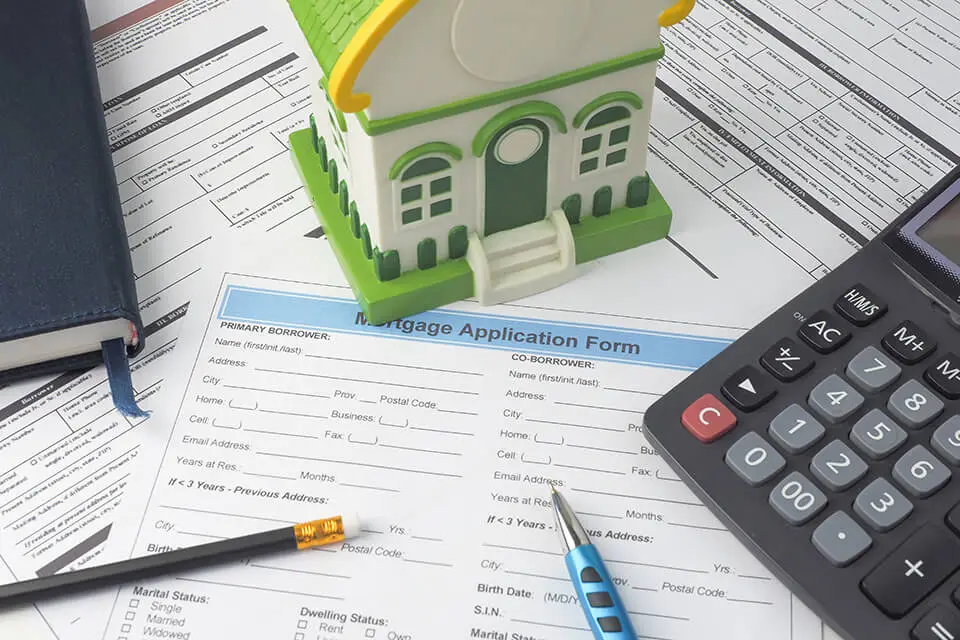
Buyer demand tends to be higher when long-term interest rates are lower, as low-interest rates give buyers more purchasing power. When the lower interest rates prevail, the cost to obtain a mortgage to buy a home will become lower, which creates a higher demand for real estate. However, this will again push the prices of properties up. Conversely, when interest rates are high, buyers may have a harder time paying off other debt, which can impact their ability to buy a home. It is important to note that as interest rates rise, the cost to obtain a mortgage increases, thus lowering the demand and prices of real estate.
Home maintenance
Buyers may also want to consider any maintenance needs they will have to pay, especially in the first year of ownership. For example, will they have to replace the plumbing or service the AC system? New homes tend to have a higher value because the electrical work and plumbing is new, hence will have a longer lifespan and less maintenance than older homes. A buyer needs to consider these potentially hidden costs of buying a home when planning the budget.
Size and scale
The value of a home is roughly estimated in price per square foot. A larger home with more bedrooms, a study, and a separate living area will be more valuable than a similar one on the same street with a smaller floor plan.
Competition
Heavy competition for a property will raise the asking price. In an overly competitive environment, many people get excited and overpay. The risk is that it will then take long time to get a return on investment (ROI).
Conclusion
So many factors contribute to the value of a home. By building your knowledge of the local property market and enlisting the help of a reliable real estate agent, you will become a savvy buyer.
Are you looking to buy your dream home in Dubai? Get in touch with us today!